
How to choose the right rainwater container?
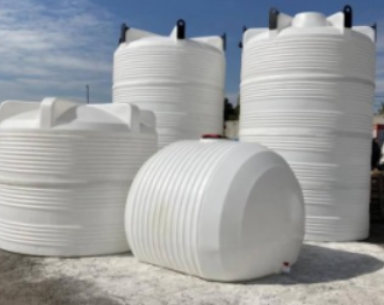
We live in a time of huge popularity of recycling. The state of the environment is constantly deteriorating, with tons of garbage floating in the oceans and tropical forests dying. Also, the overuse of drinking water, such as in agriculture, is contributing to the deterioration of the world. Thrifty and eco-friendly living is becoming the norm for all those who want to take care of the future of our planet. Drinking water, unlike garbage, cannot be recycled, but each of us can reduce its excessive use. All you have to do is start collecting rainwater, which can be used for various household and cleaning tasks. First, however, you need to equip your plot with a device that will store the aforementioned rainwater. What to follow when buying and how to choose the right rainwater container?
What do you need to adjust to?
The main aspect to consider when selecting a water tank is its size. First of all - before buying we should consider what the stored liquid will be used for. If we will use it only for watering plants planted in the garden, then a tank with a capacity of more than 500 L may be superfluous. Larger containers, however, will certainly come in handy if you want to use the rainwater to wash the car or the pavement in front of the house. The size of the tank should also be adjusted to the size of the roof, as the amount of rainwater collected depends on it. For every 25m² of area from which water is collected, our container should hold at least 1m3 of liquid. Even a slightly oversized product will perform better than one with insufficient capacity. Of course, we also depend on the size of the plot we have, although most tanks take up relatively little space.
Aboveground or underground tank?
Above-ground tanks are the most commonly used, extremely unproblematic tanks that can be combined into batteries. The width of most such containers does not exceed eighty centimeters, so they can easily fit on almost any plot of land. This is a standard solution that does not require excessive combinations - the containers can be supplied with drain taps, as well as allowing the use of pressurized water by pumps. Above-ground tanks have one disadvantage - the liquids stored in them will freeze if the air temperature drops below zero. As a result, this will lead to the destruction of the container. For this reason, in winter, this type of "storage" for rainwater should be hidden in utility rooms.
Such problems do not have to contend with owners of underground tanks. Such water containers are placed relatively deep, in layers of soil where the temperature does not fall below zero. This is a solution that will appeal to all those who complain about the lack of space around the house. Like aboveground tanks, this type of container can also be combined into batteries.
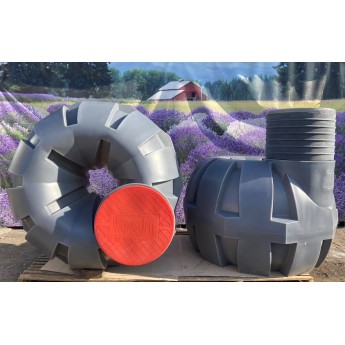
Choosing the right water container can be problematic, but it's worth taking a moment and deciding on a tank that fits your requirements. The result will be a great product that will not only save you money on your water bills, but also provide significant savings on drinking water.