
Drinking water vs. plastics
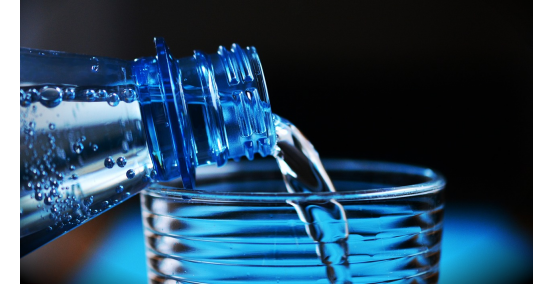
Plastics have contributed to the technological revolution. This statement is rather hard to disagree with. However, today most people discredit the role that plastic plays in human life. In the minds of many there is a conviction that plastics are evil incarnate and should be fully abandoned. However, plastic is unequal to plastic. Today we will prove that it can be safe and extremely useful. We will present the properties of high-density polyethylene and convince everyone that it is worth using, if only to store drinking water.
Accidental discovery
It is worth starting with an interesting fact related to its discovery. This is because it was synthesized accidentally by German chemist Hans von Pechmann. Despite this, it didn't begin to be produced on a large scale until more than 30 years later, and as production processes became more widespread, a high-density version, or HDPE (high density PE), also appeared. But what exactly is this substance?
Properties of polyethylene
In order to get a thorough understanding of a particular compound, it is necessary, first of all, to find out in the course of which reactions it is formed. If we are talking about polyethylene, in this case its high density, it is formed by coordination radical polymerization. This is a catalytic process that uses so-called catalysts that play a key role in its synthesis. Interestingly, HDPE is produced by low-pressure polymerization, where initially up to several hundred atmospheres were needed to produce polyethylene. The material has a high melting point for a plastic, as it is as high as 125°C, which allows it to be used widely.
Role in industry
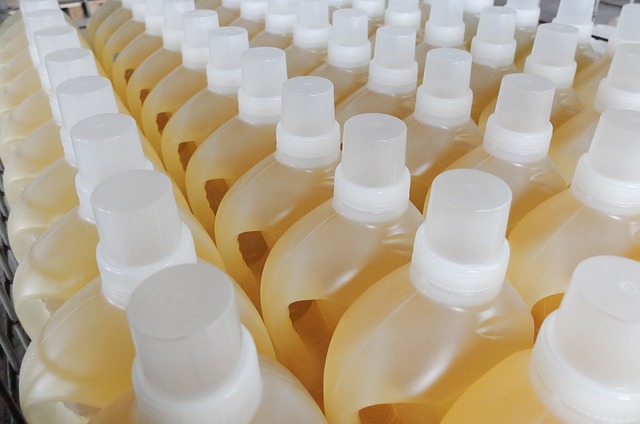
But where is this type of material used? The uses of polyethylene are extremely wide. The most common everyday use of HDPE is in beverage bottle caps or cleaning products. However, it can also be encountered in structural components, such as pipelines, as well as in fibers that serve a variety of functions, including workwear and construction materials. Due to the fact that this raw material is inert to many substances, it allows for safe storage of drinking water, for example, unlike PET - in its case, negative health effects are definitely not denied. Therefore, professional drinking water tanks should be constructed from HDPE.
Types of water containers
Among the popular solutions related to HDPE, the most useful on a daily basis can be the creation of a safe storage for clean water. Depending on your needs, you can get water canisters that will work well as a tank for your camper, a standing container that serves as a buffer, or storage tanks that make up a drinking water treatment system. What's more, the canisters created from polyethylene can easily have additional holes for connecting the necessary plumbing or measuring parts.
As you can see, HDPE can work well not only for industrial purposes, but also for domestic purposes - wherever you count on storing clean water in safe and controlled conditions. Not only does polyethylene not release any harmful compounds, it also protects the contents of the container made of it from external influences. So if you have decided to build a clean water storage facility, it is HDPE tanks that you should pay attention to.