
Benefits of rainwater collection
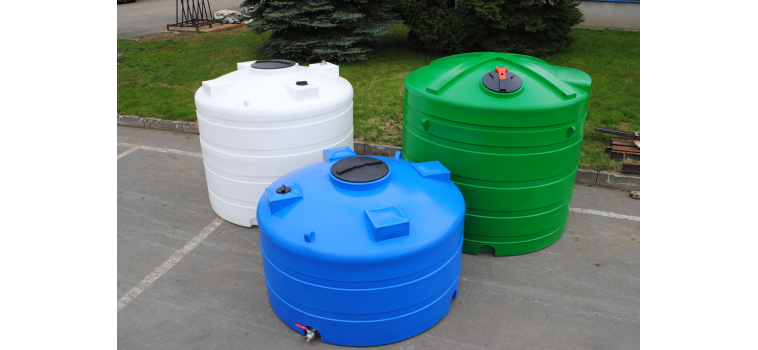
With increasing increases, not only in food, but also in energy and raw materials, most people are looking to save money. At the same time, after all, no one wants to lower their existing standard of living and impose restrictions. The same goes for water. But how, in a time of increasing droughts and high prices, can we start saving on our water bills? Rainwater tanks may be the answer.
How to collect rainwater?
Many people, although they have thought about starting to collect rainwater, still may not know how to go about building a proper system. In order to collect it efficiently, you need to plan the whole system well. First of all, you need to estimate how much roof space you have available. You might be surprised at how much rainwater the roof is capable of storing. In order to collect more than 300 liters of it, it must rain continuously for about 20 minutes on a 120 m² roof. This is a huge amount of water saved!
The next step is to select the right components. The most important elements of a functional system are leak-proof gutters, fixed at the right angle, and a rainwater tank, made of mechanically and chemically resistant plastic. An excellent material for such a container will be durable polyethylene. On request, you can get a water tank with holes or valves prepared accordingly, as well as with a place for a water filter or other elements that affect the quality of water. Well, exactly, and what can such water be used for?
Destination of rainwater and a lot of savings
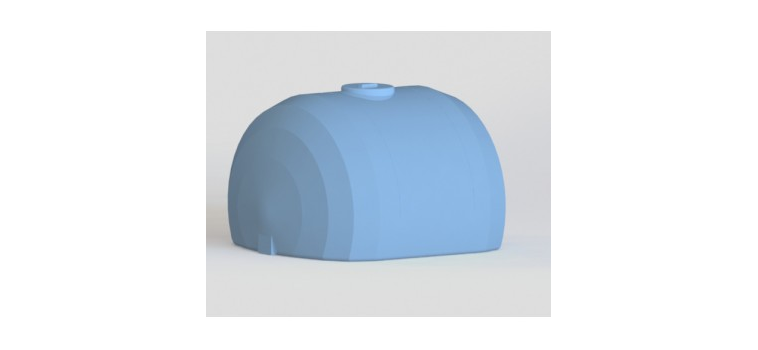
While everyone knows that tap water can be used for virtually anything, ideas for using this rainwater can be in short supply. A common use for it is, of course, watering ornamental plants or lawn in gardens and vegetables or fruit in plantations. But can it be used in other ways? Of course, because this water is soft. This means that there are not many mineral compounds in its composition, and therefore it will not leave unsightly white deposits on the surfaces wetted with it. Therefore, many people use it for washing various items of daily use, for laundry, and also for flushing the toilet. However, in order to protect all items and equipment dealing with rainwater, it is worth investing additionally in a water filter. This is because it will allow you to get rid of impurities that are usually harmless, but affect the physical and chemical characteristics of rainwater. These include plant and industrial pollen, soot or various types of microorganisms.
It is worth investing in a rainwater retention system, as it will give us many benefits. This is not only a positive impact on the environment and saving groundwater resources, but also a financial benefit. After all, it is easy to estimate how much water one would normally use, for which one would have to pay. During annual precipitation in Poland, an average of 60 m³ of water falls per 100 m², which is 60,000 liters per year. So it's not hard to see the powerful potential of any building, even a small one.