
Adaptation of PE tank for osmosis
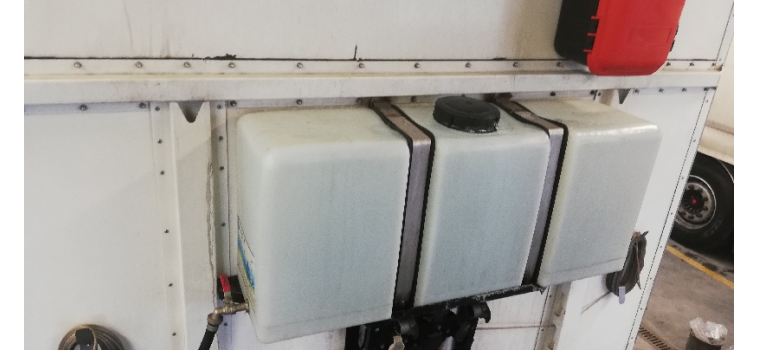
In the market for equipment and technical components, you can find many finished products. This also applies to various systems responsible for processing water. These include systems in which the so-called osmosis phenomenon takes place. However, if the ready-made solutions have features that are incompatible with the assumptions of the future user, a considerable problem arises. So at such a time it is worth betting on a homemade installation using appropriately selected tanks. Contrary to appearances, this does not have to be a difficult task to perform, and thanks to it we will provide ourselves with a system perfectly calibrated to our needs.
What exactly is osmosis?
It is the phenomenon of changing the concentration of a substance in two solutions separated by a semi-permeable membrane. As a result of this, the two solutions become isotonic with respect to each other. This means that they have exactly the same concentration of a given substance. To construct a system designed for ordinary or so-called reverse osmosis, (elevated pressure is used) it is enough to follow simple instructions for the correct connection of filters. Depending on the designed system, it can affect the increase or decrease the concentration of specific substances in the selected solution.
Osmosis? And what's it good for?
Although this phenomenon may sound somewhat mysterious, it occurs extremely frequently, not only in the laboratory, but in everyday situations. Quite a few people may not be aware that osmosis is commonly used in the kitchen, such as when preserving meat or vegetables with salt, known as curing and pickling. It is also used in a number of technological processes. A prime example, however, is conducting osmosis of water for purification. If you want to construct your own system for conducting osmosis, you should bet on special containers, preferably those made of chemically neutral polyethylene. For this purpose, containers that can be customized for a specific project are ideal. Therefore, it is worthwhile to apply with the installation concept directly to the manufacturer of such containers. And what kind of modifications may be needed in an osmosis installation?
Necessary modifications of containers
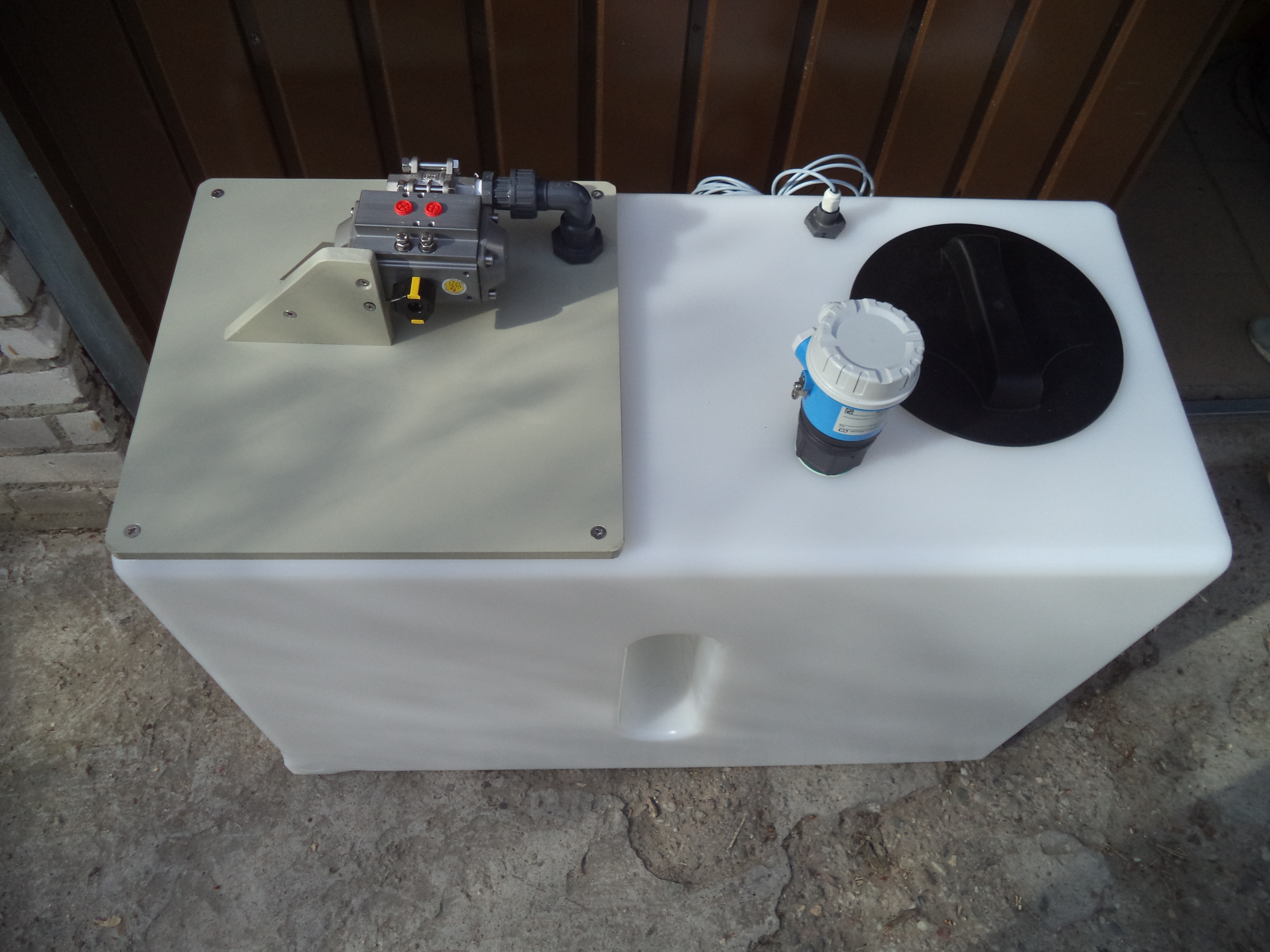
Depending on which container in question, alterations can perform different functions. Water tanks must, first of all, have inlet and outlet openings. However, the connection of not one, but more containers can be considered. In turn, they will be used to store filtered water, serve as a buffer for water ready to be filtered, and be used to collect waste water that would normally be discharged straight into the sewer system. In this way, you can create an efficient system that will save raw material and use it for other purposes. After all, it should be remembered that water in this form is still drinkable and fully safe. Specially prepared holes can be used to connect tubes, but also valves, vents or various types of meters. The only limitation is the imagination of the designer and the needs of the consumer.
Even without being a plumber or a specialist in water processing systems, it is possible to create an efficient system for conducting osmosis. Buying individual components of such an installation and assembling it yourself can further reduce the cost of installation. What's more, if you construct such a system yourself, you will also be able to service it. So, as you can see, it is worth betting on dedicated polyethylene tanks and doing things completely your own way.