E-mail: kontakt@waterflex.pl
Waterflex ul. Wrocławska 130, 58-306 Wałbrzych


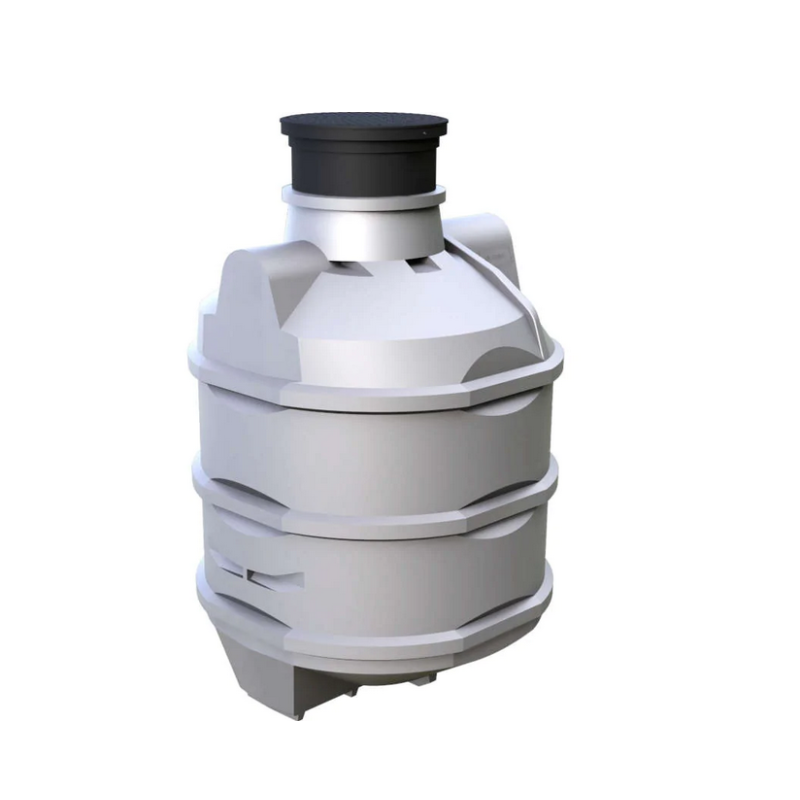
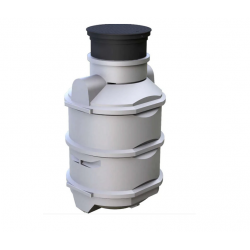

Ecoline V
Description
Assembly instructions:
1. General remarks
When performing excavations using mechanical equipment, a danger zone related to the operation of these machines should be designated. Before starting earthworks, the technical documentation for these works should be familiarized with. On small construction sites, e.g. single-family housing, there is only documentation limited to the technical design of the building and a situational and elevation map constituting a development plan for the plot. The earthworks contractor should familiarize himself with the map on which the entire network of technical utilities is marked, and with the decision on the building permit. In the event of carrying out works in the immediate vicinity of electrical, gas, etc. installations, a safe distance at which the works can be carried out should be determined - in agreement with the administrator of these devices (e.g. power plant). Work in excavations deeper than 2 m must be performed by at least two people. Assembly should be performed in protective gloves and full work shoes. Do not use power tools with damaged housing or insulation. Keep a safe distance from working construction machines (excavators or micro-excavators). Installation by the road – watch out for vehicles, the work site must be marked accordingly.
2. Excavation
The walls of the excavation starting from 1 m depth must be secured by: Making slopes inclined at an angle of 45° for medium-cohesive soils. Making slopes with an angle of inclination no greater than the angle of the natural slope in sandy filled soils. Strengthening the walls by bracing or supporting excavations with vertical walls. The type of reinforcement used depends on the size of the excavation, type of soil and the time of maintaining the excavation. The reinforcement of the excavation walls up to a depth of 4 m is performed as typical, provided that no loads caused by structures, means of transport, stored material, spoil, etc. are expected in the immediate vicinity of the excavation. In addition, the following requirements must be observed: check the slopes and the lining after each rainfall and after a long break in work, and before each commencement of work, eliminate the disturbance of the soil structure of the slope by removing this soil, while maintaining a safe slope, make safe descents and entrances to the excavations, do not store materials and spoil at a distance of less than 1 m from the edge of the excavation, if the walls are lined; in the case of slopes without reinforcements, storage may take place outside the wedge of the soil fragment, maintain safe distances of excavations from existing structures, each commencement of work in the excavation requires checking the condition of its lining or slopes, if groundwater appears, their level should be lowered 30 cm below the planned location of the tank.
3. Tank assembly
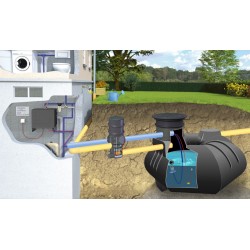
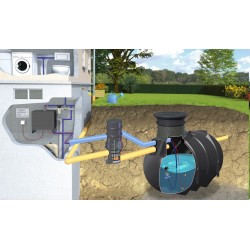
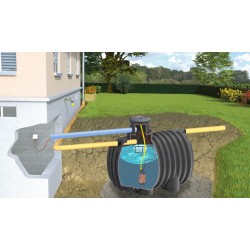
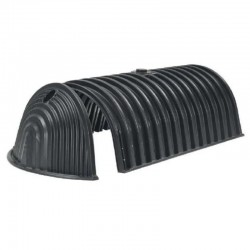
Before assembly, check for visible physical defects of the tank. In case of any reservations, stop the work and report the fact to the seller (or authorized representative) before starting the assembly. Under no circumstances should the tank be lowered into the excavation if there are any reservations regarding its quality. After completing the excavation, place a 5-10 cm layer of sand on the bottom and level it. Then place the tank in the excavation and level it. Check the position (height) of the connection holes and then fill the tank with water to a level of 30 cm from the bottom of the tank. Connect the pipes. Make sure that the end of the pipe has the possibility of vertical and horizontal movements perpendicular to the pipe axis. This will avoid stress in the event of tank movements during backfilling and pouring. Backfill the tank with sand in 30 cm layers and compact with water. Mechanical compaction should not be used due to the possibility of damaging the tank. After each subsequent layer is laid, the water level in the settling tanks should be topped up by another 30 cm. During compaction, observe whether the tank walls are deformed. When backfilling, special care should be taken to prevent a larger stone or other rigid object from getting near the tank, which could cause a local indentation of the tank wall. The tank should be backfilled with sand. Pipes should be laid in accordance with applicable standards and construction art. If the tank is to be installed at a depth exceeding 50 cm (from the vault), a 20 cm backfill of lean concrete should be made. In the case of installing the settling tank in clayey or dusty soil, the tank should be secured with lean concrete. It is recommended that the tanks be buried no deeper than 1 meter from the ground surface to the upper surface of the tank (cylindrical part). The maximum depth of the tanks' foundation depends on the soil and water conditions at the installation site.
Attachments
Products in the same category